

Can You Have a Hair Transplant If You Have Psoriasis?
Hair loss and psoriasis are not exactly the winning combination you planned for yourself. Yet, here you are. And you may be wondering whether a hair transplant is even an option for you. Psoriasis can make the scalp inflamed, itchy, and uncomfortable, hardly the ideal conditions for a surgical procedure. And yet, for many people living with this chronic condition, the dream of restoring lost hair is still very real.
Having psoriasis doesn’t automatically rule you out as a candidate for a hair transplant. But it does mean your journey might require a bit more planning, expertise, and individualized care. Here’s what you need to know about pursuing receding hair restoration when you have psoriasis. With the right planning and an excellent hair restoration clinic’s help, you can give yourself the best chance at safe, successful results.
Understanding Scalp Psoriasis
Psoriasis is a chronic autoimmune condition that affects the skin. It causes skin cells to build up in thick, scaly patches on the skin, including the scalp. If you’ve experienced flaking, redness, or silvery-white plaques on your scalp, you already know how uncomfortable it can be. Psoriasis can disrupt the scalp environment, causing temporary hair shedding or making the skin more sensitive and prone to irritation.
Although it doesn’t typically cause permanent hair loss, chronic scratching, inflammation, and the wrong treatment methods can weaken hair follicles over time. That’s why timing and preparation are key to a successful transplant procedure.
Considering Hair Transplant Surgery
You can potentially have a hair transplant if you have psoriasis, but only under certain conditions. The first and most important factor is whether your psoriasis is currently under control. Transplanting hair follicles to areas that are actively inflamed, infected, or shedding skin is not recommended. Doing so can lead to poor graft survival, delayed healing, or even a flare-up that sets back your recovery.
Here’s how most clinics determine transplant candidacy with scalp psoriasis:
-
- Your psoriasis must be inactive or in remission in the donor and recipient areas.
- You should be able to demonstrate stable control of the condition through medication, topical treatments, or other forms of care.
- The skin in the transplant area should be free from active plaques, open lesions, or excessive scaling at the time of surgery.
Your hair transplant specialist will evaluate your scalp in detail and may work alongside a dermatologist to ensure you’re cleared for treatment.
Preparing for Your Transplant
Before scheduling your transplant, your care team will likely help you create a plan to manage your psoriasis. This might include using medicated shampoos or topical steroids to reduce inflammation. You may also need to adjust systemic medications (under your doctor’s supervision) and avoid triggers like stress, harsh hair products, or cold weather in the weeks leading up to your procedure.
By calming your scalp ahead of time, you give the follicles the best possible environment for implantation and healing. Success starts well before the day of surgery.
During the Procedure
Surgeons may choose SmartGraft® FUE (Follicular Unit Extraction) hair restoration as the preferred method because it allows precise harvesting and placement of individual follicles with minimal disruption to the surrounding skin. This approach is especially beneficial when working with sensitive or previously inflamed areas of the scalp.
Your surgical team will avoid any areas showing signs of active psoriasis and take steps to minimize skin trauma during the procedure. While the process is similar to a standard hair transplant, your aftercare instructions may be more specific to reduce the risk of flare-ups during recovery.
Recovery and Healing
Recovery after a hair transplant always takes time and care, but when you have psoriasis, it requires additional vigilance. You’ll need to avoid scratching the area, even if it itches, and follow your post-op care routine precisely.
Your doctor may prescribe gentle cleansers and non-comedogenic moisturizers, anti-inflammatory creams or shampoos approved by your dermatologist. In addition to medications, your surgeon may suggest a modified washing routine to protect both the grafts and your scalp.
It’s wise to avoid heat, sun exposure, and aggressive styling products in the early stages of healing. If a flare-up does occur, contact your clinic. They can work with your dermatologist to adjust your care and keep the healing process on track.
Your Results
With the right preparation and a personalized care plan, many patients with psoriasis achieve excellent hair transplant results. The new follicles, once healed, should grow just like your natural hair, and they won’t be any more susceptible to psoriasis than the rest of your scalp.
That said, keeping your psoriasis in check is still important after the procedure. Flare-ups can irritate the skin around your transplanted follicles, so long-term management is part of maintaining your results. With routine follow-ups and good communication between your providers, you can enjoy lasting, natural-looking hair without compromising your skin health.
Psoriasis Doesn’t Have to Hold You Back
Having scalp psoriasis doesn’t mean giving up your dream of thicker, fuller hair. It means finding a team that knows how to work with your skin, not against it. With careful timing, expert knowledge, and ongoing support, a hair transplant can be safe and successful.
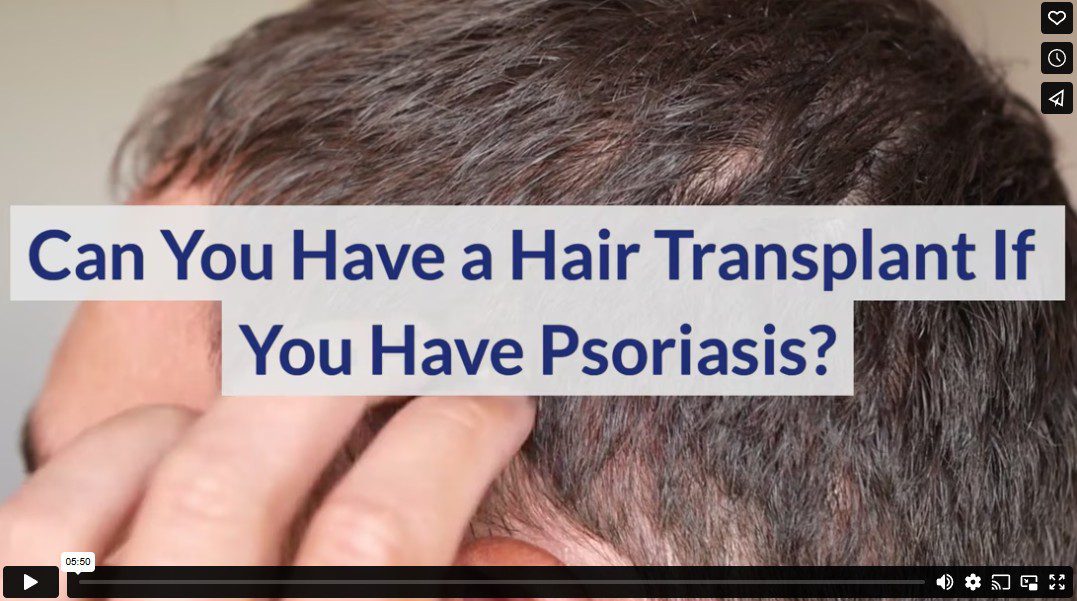
Video
Are you ready for your SmartGraft hair restoration journey with AdvancedYOU?
Hair Restoration in Dallas by AdvancedYOU is the Highest quality Hair Transplants for men and women in Dallas, TX. Restore your hair today!
Call or text us today at 214-949-4195for your confidential consultation. Let the most reputable provider in the country, SmartGraft master trainer Tony Bernal, restore your hair and self-confidence.
Exosome Hair Restoration Is More Effective Than Topical Chemical Treatments
Exosome therapy surpasses topical treatments by triggering cellular regeneration for lasting hair growth.
Returning to Work After a Hair Transplant
Returning to work after a hair transplant requires planning around recovery timelines, especially with advanced techniques like SmartGraft and FUE.

Best Beard Styles to Rock After Your Implant Procedure
Achieve confidence and self-expression with your new beard by exploring tailored styles that enhance your unique features and reflect your personality.

Does Hair Color Affect Hair Transplant Success?
While hair color doesn’t impact graft survival, it plays a key role in how natural and dense your transplant appears.

How Smoking Can Affect Your Hair Transplant Results
Smoking impairs your body’s ability to heal, which can delay recovery and compromise your hair transplant results.

What to Expect During Recovery From SmartGraft Hair Restoration
Discover why SmartGraft recovery is faster, smoother, and far more comfortable than traditional hair transplants.

Are You the Right Age for a FUE Hair Transplant?
The right age for a FUE transplant is about more than a number. It’s about your unique situation and goals.

5 Common Mistakes to Avoid When Restoring Your Receding Hairline
Restoring a receding hairline is a life-changing decision. It requires careful planning and informed choices.

6 Reasons to Choose a Local Hair Restoration Clinic
Selecting the right hair restoration clinic is important, and choosing a local clinic provides benefits beyond convenience.

Essential Facts About Eyebrow Transplants for Men
Are you ready to regain everything you lost with your eyebrows? There is no better time.